Official launch of TBTI Colombia
Within the umbrella of TBTI Global, the National University of Colombia – San Andrés Campus, the University of Magdalena, and York University (Canada) are jointly leading the TBTI Hub Colombia.
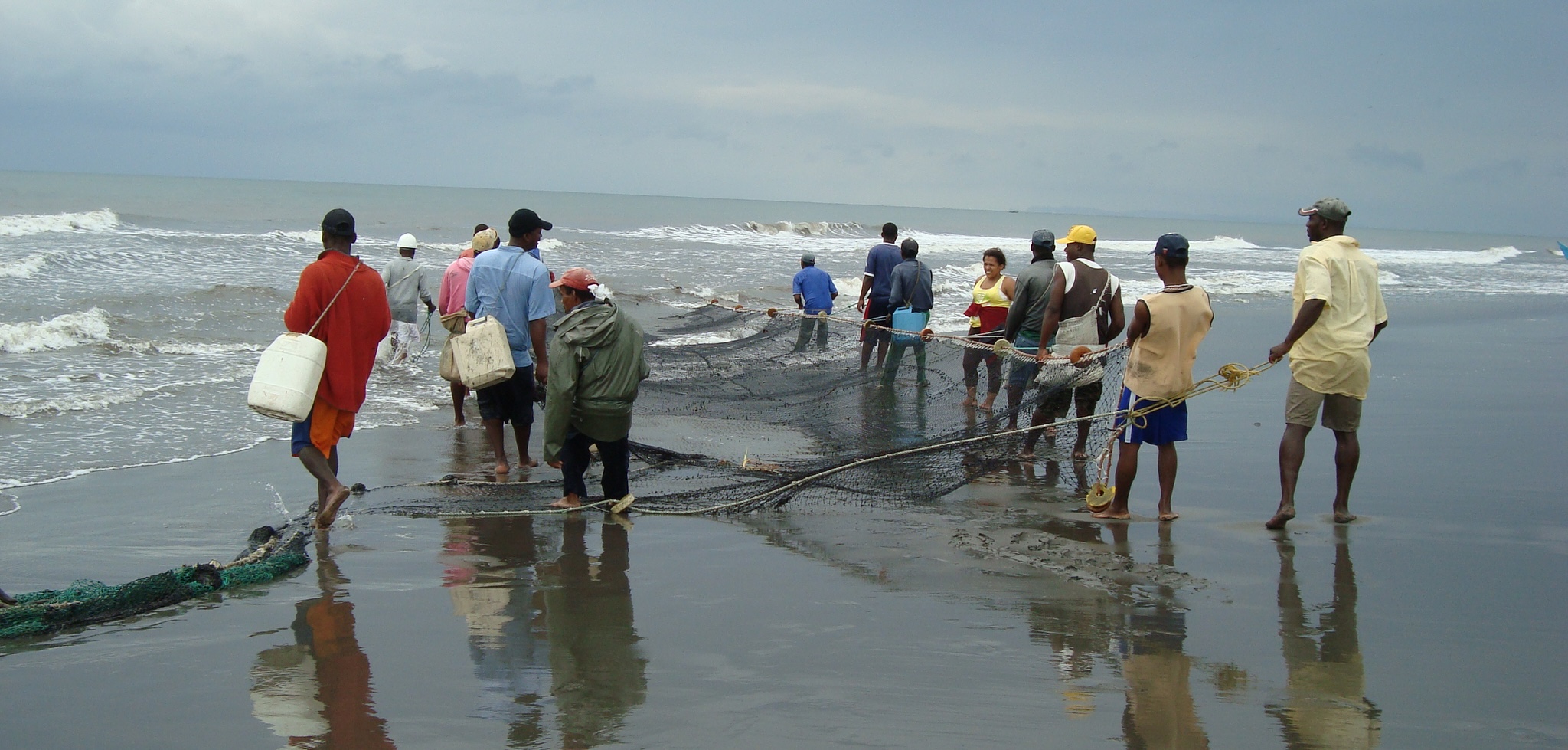
Photo by Lina María Saavedra Díaz

Within the umbrella of TBTI Global, the National University of Colombia – San Andrés Campus, the University of Magdalena, and York University (Canada) are jointly leading the TBTI Hub Colombia.
We are inviting submissions for an upcoming e-book focused on small-scale fisheries in Colombia, which will be published in the TBTI Global Publication Series. This e-book is supported by SIANI as part of the Expert Group on Small-Scale Fisheries in Latin America.

A number of TBTI Global members, including TBTI Director and the coordinators of several TBTI hubs, attended the 2025 MARE Conference in Amsterdam, which took place on 24-27th of June.

At the recently held XVII Colombian Congress of Ichthyology, hosted by the Acictios Network, several TBTI colleagues from Colombia organized a well-attended session whose goal was to introduce the work of TBTI to the research community and gather input that will help guide the establishment of the TBTI Colombia hub.
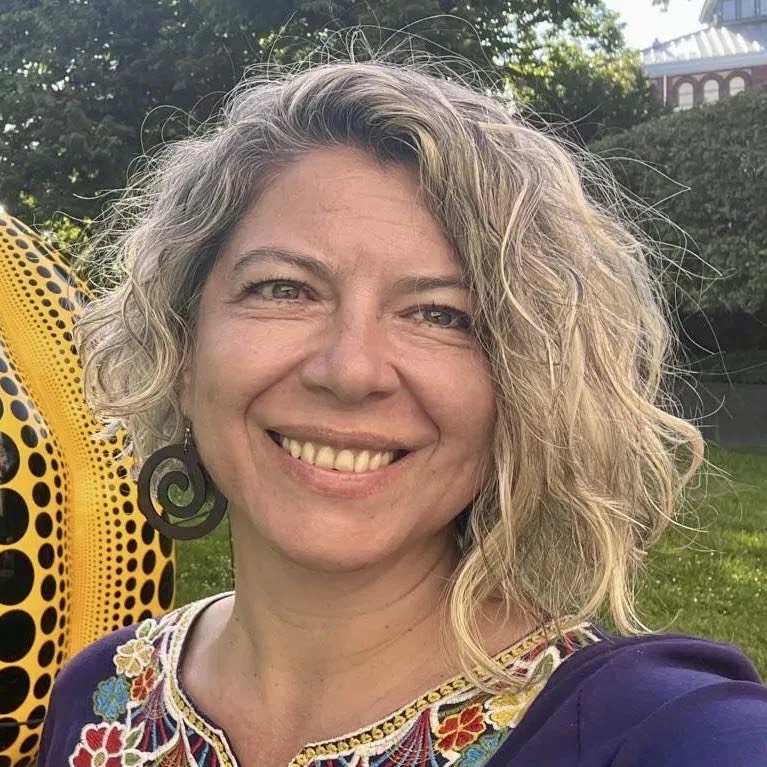
Lina María Saavedra-Díaz is a Marine Biologist with Ph.D. in Natural Resources Management. Professor at the University of Magdalena in Colombia (South America), where she leads a research group “Socio-ecological systems for human wellbeing”. She is also an associated member of the ICSF (International Collective in Support of Fishworkers). In her evolution as a researcher, she has become a sociobiologist, facilitating governance processes between artisanal fishing communities and the fishing authority, transforming the ecological knowledge of fishers into fishery management measures with impact on public policy. Nowdays, she works interdisciplinary to make visible violations of fishing communities rights and to understand fisher’s behavior to make decisions to improve fishing governance.
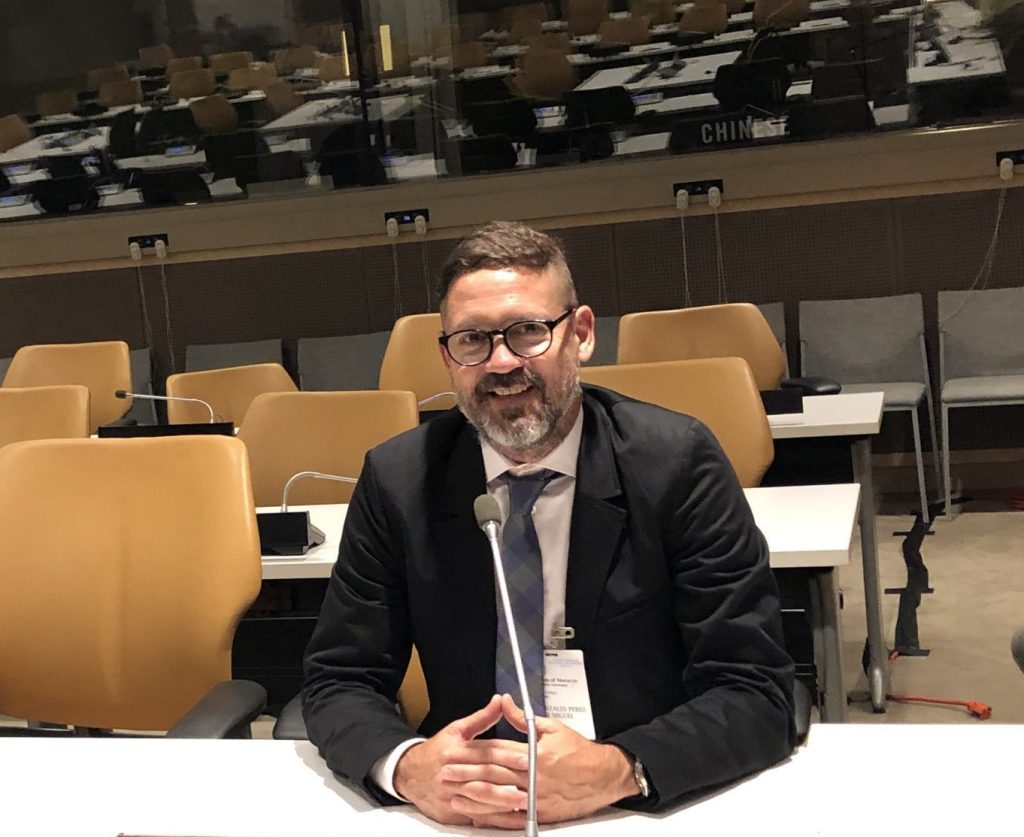
Miguel Gonzalez (PhD, York University) is an Assistant Professor in the Department of Social Science and the current Coordinator of the International Development Studies program at York University, Toronto, Canada. In recent years Miguel has taught both in the undergraduate and graduate programs in International Development at York University. His current research and teaching relate to three broad themes and projects: Indigenous self-governance and territorial autonomous regimes in Latin America, the governance of small-scale fisheries in the global south, with a particular geographical concentration in the Nicaraguan Caribbean Coast, and emerging authoritarianisms and the reduction of autonomous public spheres in Latin America, including restrictions to academic freedom and research, criminalization of civil society organizing, and persecution of independent journalism.
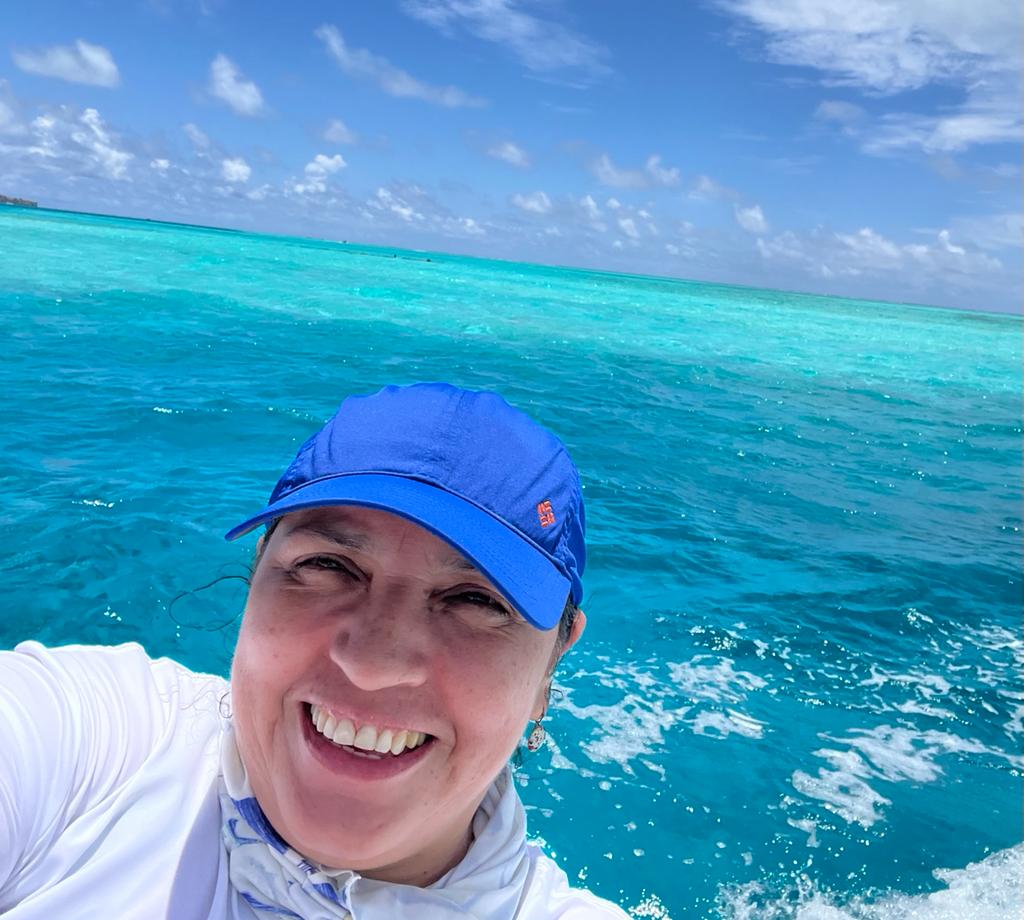
Ana Isabel Márquez Pérez is an Anthropologist, with a Master in Sustainable Tourism Management and PhD in Social Sciences in Development, Agriculture and Society. She has been an Assistant Professor at the National University of Colombia, Caribbean Campus, on the island of San Andrés since 2017, and a member of the Research Group on Nation, Region, and International Relations in the Caribbean and Latin America. Her work includes social perspectives on fishing and the sea, territories and maritime territories, environmental conflicts, blue grabbing, and various topics related to the culture and history of the Raizal people of the Archipelago of San Andrés, Providencia, and Santa Catalina. She also supports local social processes and coordinates the Traditional Navigation Festival of the Insular Caribbean, an initiative to safeguard cultural expressions related to the sea in the Archipelago of San Andrés, Providencia, and Santa Catalina (Colombia).
Paula Melissa Origua holds a BA in Linguistics from the National University of Colombia and is currently pursuing a Master’s degree in political science at York University, Canada. She works as Policy and Advocacy Coordinator at the Centre for Refugee Children, where her focus is on migration and refugee studies, particularly the rights of children and youth. At York University, she is also a Research Assistant contributing to the Too Big To Ignore, an international partnership focused on small-scale fisheries. Paula is engaged with broader advocacy networks, including the Coalition of Service Providers for Refugee Claimants and the Canadian Council for Refugees.
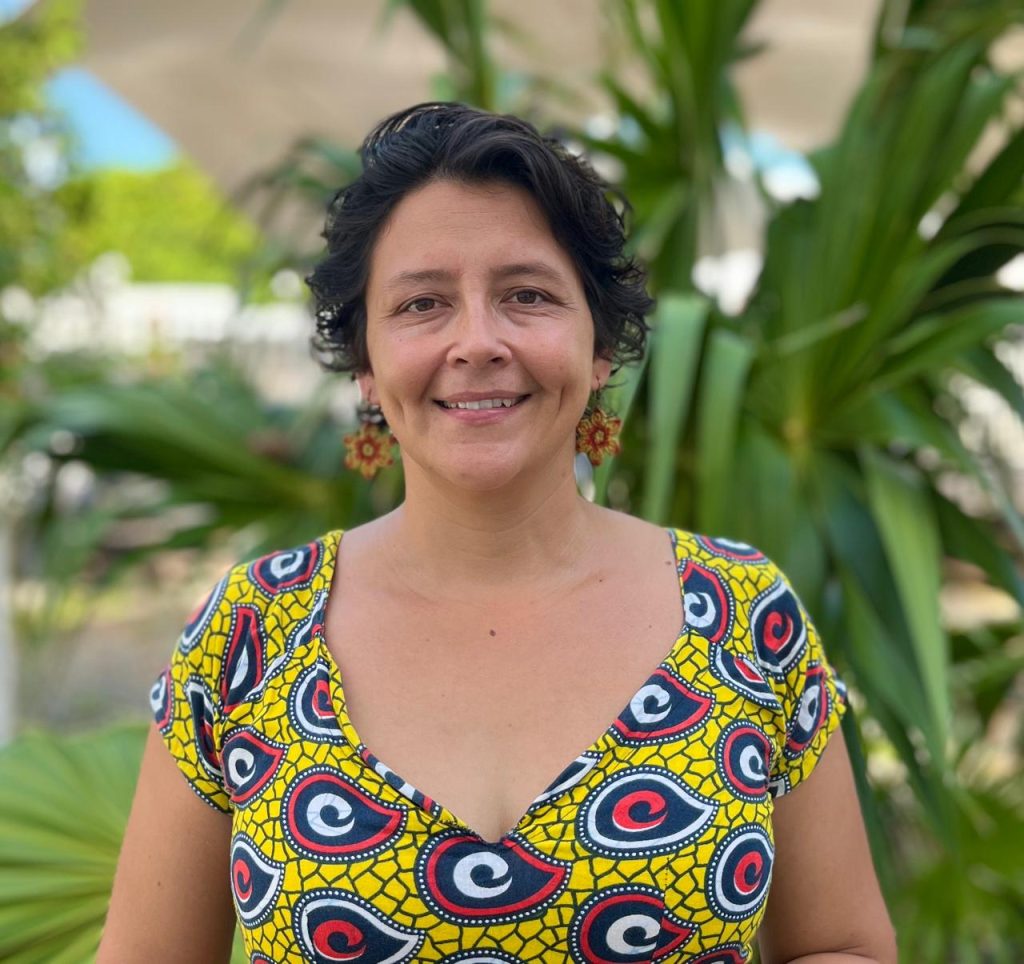
Juana Whitaker is a Biologist with an emphasis on conservation from Icesi University (Colombia), with experience in the management of coastal and marine socio-ecological systems. She has conducted ecological research and conservation initiatives along the Pacific and Caribbean coasts of Colombia, working closely with local and vulnerable communities, particularly women’s groups. Her work integrates scientific research with traditional ecological knowledge through participatory approaches that foster community resilience, strengthen local governance, and empower communities in the sustainable management of marine and coastal ecosystems.
Email: [email protected]
Instagram: Tbti.colombia
Tiktok:@tbticolombia
X: @TBTIColombia