In 2024, the TBTI Mexico Hub was established during the first TBTI Mexico workshop, forming an organization composed of 60 members from across 14 Mexican states. The number of participants has continued to grow, surpassing one hundred members by the second workshop run in 2025. In 2024, three regional coordinators were appointed to represent the network in Mexico, and in 2025, an additional coordinator was added to extend the network’s presence into freshwater fisheries. Silvia Salas, Minerva Arce, Francisco Arreguí are the three coordinators of the network and Mauricio Vargas joined the team.
On October 27–28, 2025, the TBTI Mexico held its second national workshop at the Universidad Veracruzana, with support from the Swedish International Agricultural Network Initiative (SIANI), members and the TBTI Mexico coordinators. Potential members interested in advancing the sustainability of small-scale fisheries were invited to attend in an open call.
The primary objective of the workshop was to identify and share collaboration proposals within the TBTI Mexico Network at both national and international levels. These contributions served as the foundation for designing a short, medium, and long-term work program, including task allocation and regular progress assessments. The initiative aims to strengthen research and fisheries management collaborations in Mexico, aligned with the broader vision of TBTI Latin America and TBTI Global.
A total of 106 participants from 18 states—primarily coastal regions—attended the workshop, representing institutions from the Mexican Pacific, the Gulf of Mexico-Caribbean region, central Mexico, and three international organizations. Participants joined both in person (42) and virtually (64), bringing diverse professional backgrounds.
Following the welcome remarks from university officials, presentations were delivered by representatives from TBTI hubs in Colombia, Peru, Brazil, Ecuador, and Mexico. The TBTI Global Coordinator, Dr. Ratana Chuenpagdee and Dr. Víctor Vidal, Director of the Mexican institute of sustainable fisheries and aquaculture (IMIPAS, Spanish acronym) also presented an overview of Mexico’s fisheries resources, key challenges, and ongoing management and research priorities. Subsequently, participants engaged in group activities centered on the motivations for founding and expanding the TBTI Mexico small-scale fisheries network. Preliminary questionnaires sent in advance to participants helped consolidate proposals for collaborative projects and joint initiatives among network members. There were also defined some actions to track activities and potential leaders of such activities and potential projects.
During the final sessions of the workshop, the appointment of an additional network coordinator was approved to strengthen representation of freshwater fisheries; these types of fisheries have received less attention than the marine fisheries and there are few members in the hub addressing issues in those areas. The inclusion of civil society organizations as network partners was also discussed and endorsed. The agenda concluded with a dialogue on generational renewal, focusing on creating spaces for youth participation.
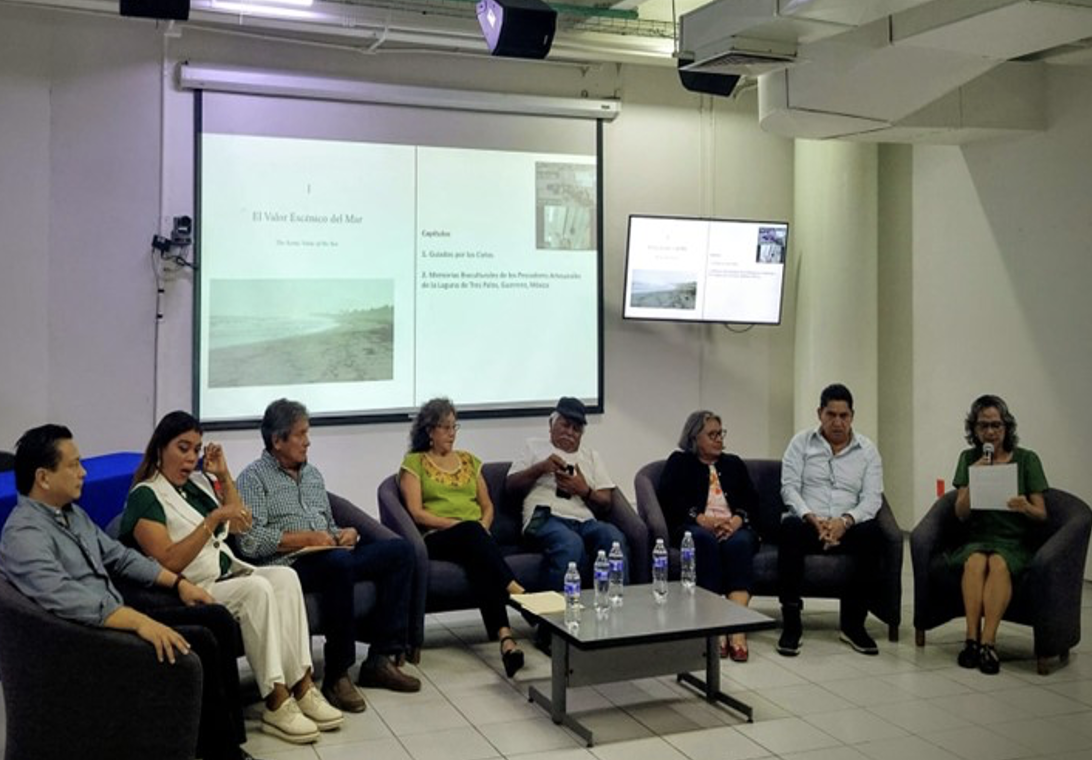
The workshop concluded with the presentation of a book developed by the TBTI Mexico team, titled ‘A Sea of Challenges and Opportunities in Mexican Small-Scale Fisheries: Outreach Essays’ Edited by A. Minerva-Arce. Silvia Salas, Francisco Arreguí and Miguel A. Cabrera. The book comprises 36 chapters, divided in seven sections exploring diverse topics, aiming to disseminate knowledge, share experiences, and highlight the importance of small-scale fisheries in Mexico. The contributions came from the work integrated by 132 authors. The book presentation included a talk from a reviewer, three chapter’ authors, and three members of the fisheries sector.

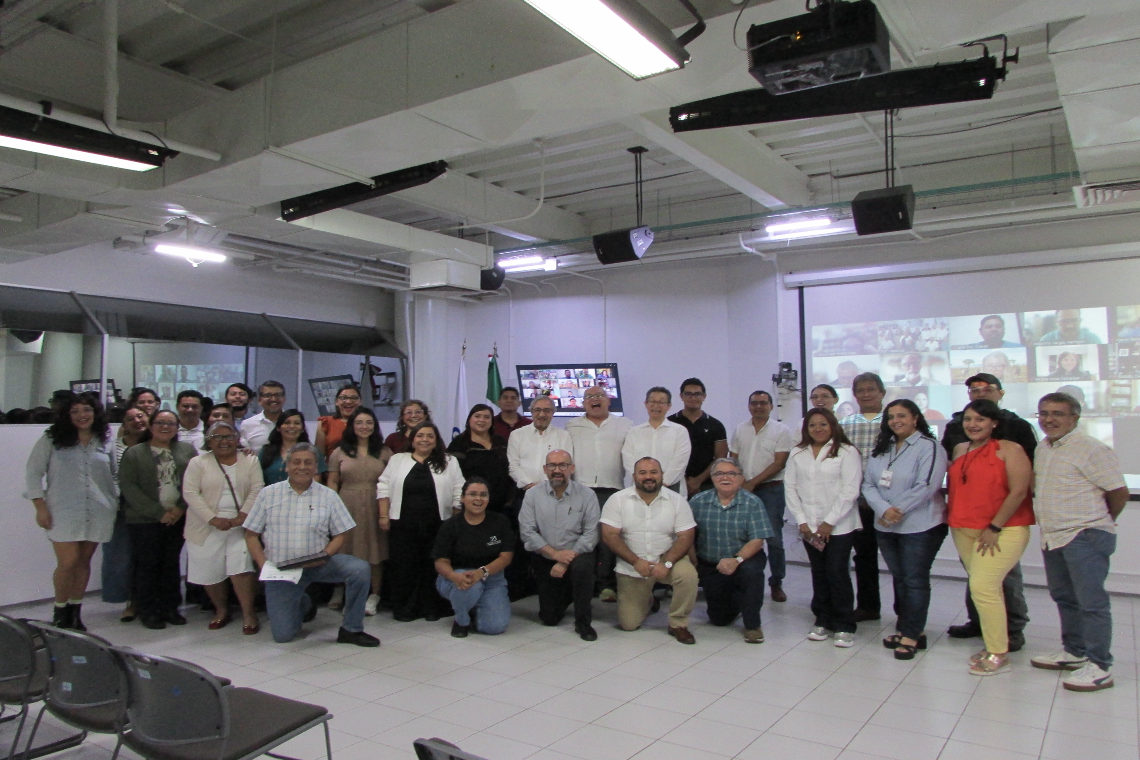
The workshop proved stimulating and productive, enriched by the active contributions of all attendees. While the journey for this network is just beginning, collective enthusiasm is evident to maintain the pace. The great team led by Dr. Lourdes Jimenez, including Gabriela Galindo, Cesar Meiners and students (Vanessa Rodríguez, Diana Carrera, Manuel Morales, Mónica Heredia) from the Universidad Veracruzana, the virtual team (E. Coronado, F. Islas, K. Luna and Miguel Cabrera), and the 106 participants who attended, made this event possible.
The workshop was supported by SIANI as part of the Expert Group on Small-Scale Fisheries in Latin America.