Initially, this award took me by surprize, but soon afterwards I got excited and then finally, very reflective. I would like for this award to be an incentive for other women, especially young women who are in this line of research. I also hope the award helps promote the visibility and relevance of the oceans as well as the relevance of the fisheries. Meanwhile, I will continue contributing to the field through my research, advocacy for the fisheries and fishers, and by mentoring young people so they can follow this path.
Silvia Salas
In the 80s, Mexican government provided a strong support to fisheries and aquaculture, as reflected in the establishment of the Ministry of Fisheries (Secretaría de Pesca in Spanish). However, in the period between then to early 2000s, the political and economic support for the sector was diminished. The Ministry of Fisheries was dissolved, and the administration of the fisheries and aquaculture sector was converted into an under-level ministry, within the Ministry of Environment, Natural Resources and Fisheries (or SEMARNAP). Another change took place in 2001 when the administration of this sector was converted into a smaller-sized institution, the National Commission on Aquaculture and Fisheries (or CONAPESCA), part of the Ministry of Agriculture and Rural Development (or SADER). The history of the administration alone tells an interesting story about the shift in importance of fisheries and aquaculture in the country.
Despite this, fisheries and aquaculture in Mexico contribute to food security and food sovereignty, with approximately 300,000 people being employed in this sector. Recognizing the relevance of this sector at a national level, CONAPESCA, together with the Chamber of Deputies and the OSC Comunidad and Biodiversidad A.C. (COBI), established the “Sustainable Fishing and Aquaculture Award” (SFAA) in 2018. The award is given to individuals and legal entities that promote transcendent actions, innovation, positive impact, improvement or good practices developed for the benefit of fisheries and aquaculture in Mexico.
In general terms, the “SFAA 2026” has a great significance to the whole Mexican fisheries and aquaculture sector, given that it is still politically marginalized, compared to other sectors in the country, like agriculture and tourism. It is noteworthy to mention that to date, the ‘Voluntary Guidelines for Securing Sustainable Small-Scale Fisheries’, a global instrument endorsed by FAO member states since 2014, has not been implemented in Mexico. Therefore, human rights-based approach is not integrated in the management of the fisheries and aquaculture sector in Mexico. In this regard, not only are those working in fisheries and aquaculture still marginalized but the role of women has not yet been fully acknowledged in national policy.
Like many places around the world, Mexico’s policy on fisheries and aquaculture is male-centred and doesn’t recognize any fishing and aquaculture rights for women (3). Nevertheless, women have a strong presence in many aspects of the sector, including artisanal fishing, home-based post-harvest activities, and processing plants. Given the marginalized role of women in fisheries and aquaculture, in 2025, a new category of award was included in the SFAA, namely “Women of the Sea: Leaders in Fisheries, Aquaculture and Food Security”.
The “Women of the Sea” Award included four categories: i) Sustainable production, ii) Innovation, iii) Applied research on fisheries and aquaculture, and iv) Professional career. This year the four categories were awarded respectively to: BSc. María Isabel Cervantes Rivas from Sonora; C. Bárbara González Tellez from Puebla; Dr. Silvia Salas Marquez from Yucatan, and Dr. Elaine Espino-Barr from Colima. The award ceremony was held in ‘La Casa del Marino’, a museum located in Mazatlan, Mexico, also to celebrate the 25th anniversary of the foundation of CONAPESCA.
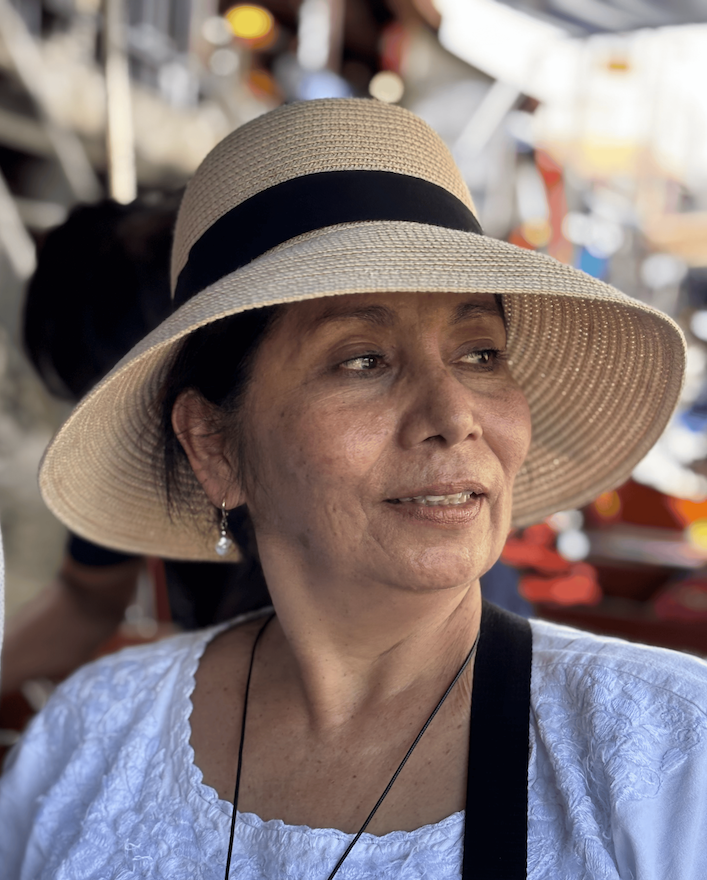
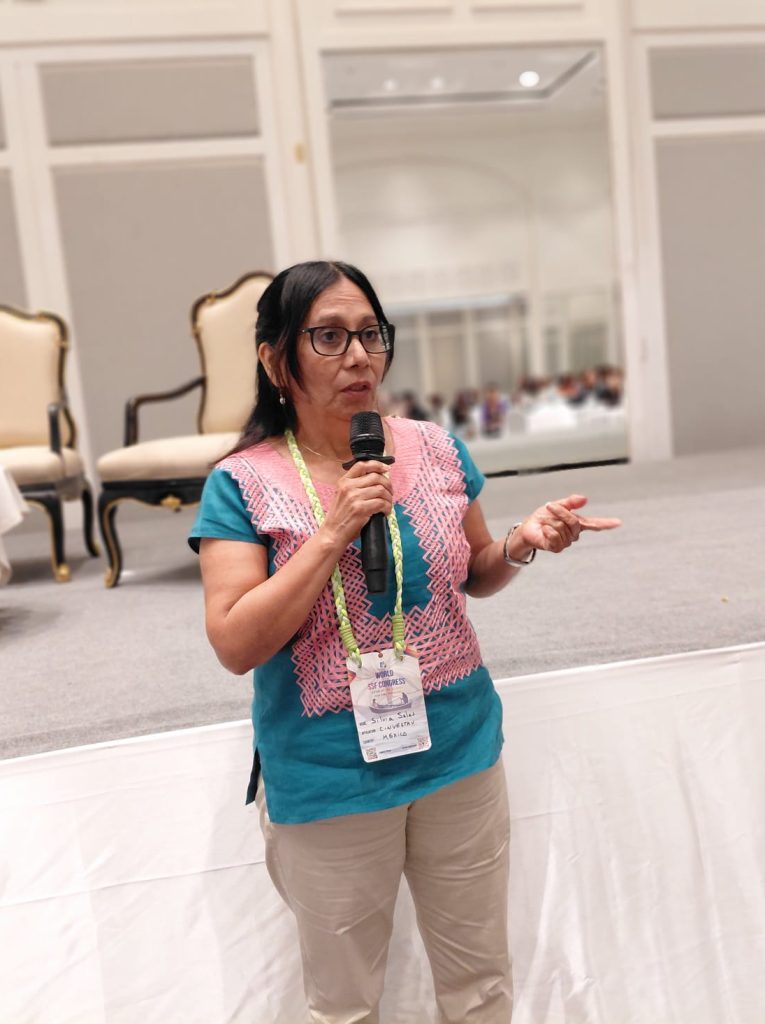
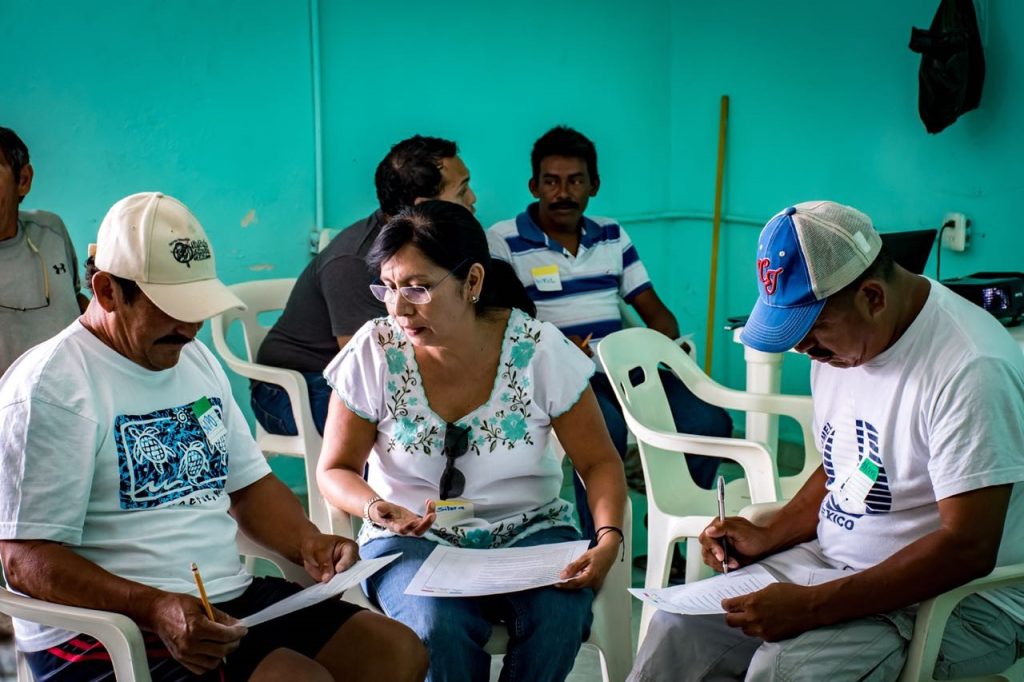
The Women of the Sea Award 2026 is very special for us since Silvia is one of the recipients. Silvia has been a member of ‘TBTI Global’ since 2012 and is one of the four coordinators of ‘TBTI Mexico’. She has been doing research on small-scale fisheries since 1987, mainly in the Gulf of Mexico and the Mexican Caribbean. The majority of her projects are participatory and innovative, involving fishers – men and women – as collaborators. In the past four decades, she has co-organized many capacity-building workshops, addressing the needs of fishers, especially those involved in grouper, spiny lobster and octopus fisheries from the Yucatan Peninsula. Her research findings have been used in the management plans of the aforementioned fisheries, and for this and many other reasons, Silvia is currently an Honorary Member of the Mexican Academy of Science and of the National System of Mexican Researchers (SNII).
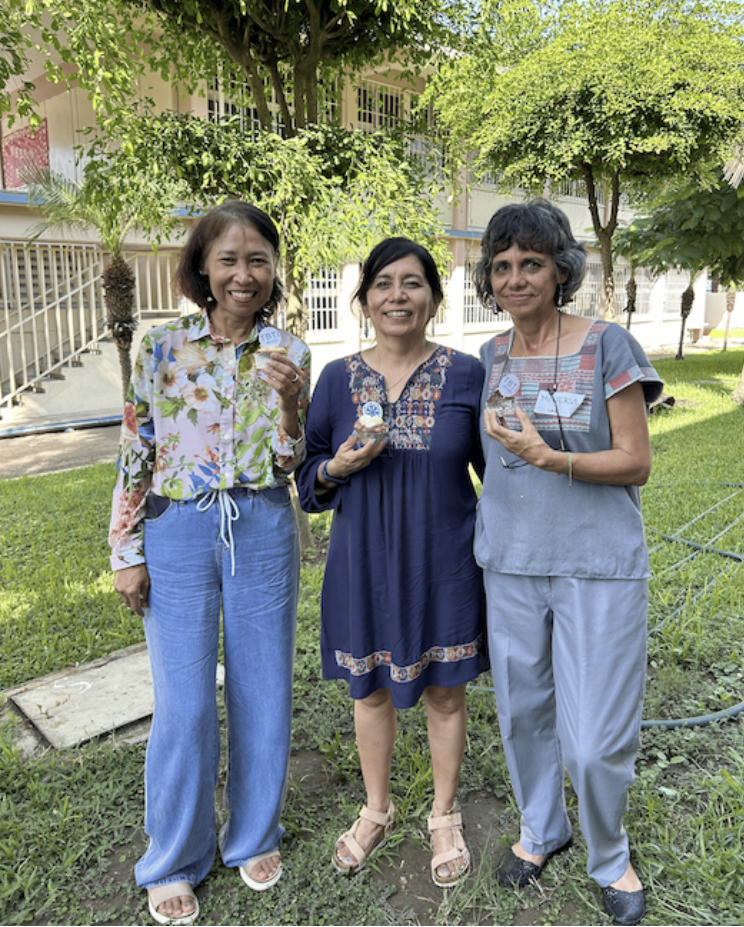
As one of the co-coordinators of TBTI Mexico, I fully acknowledge Silvia’s work, her leadership and her commitment to TBTI Mexico network, as well to TBTI Global, the Latin American and Caribbean region, wherein she has participated and co-organized collaborative work with TBTI Ecuador, TBTI Colombia, and TBTI Brazil. There is no doubt that Silvia has contributed to the strengthening of the fisheries and aquaculture sector in Mexico and beyond.
We sincerely congratulate Silvia on the award! Her tireless work has been inspiring to all TBTI colleagues, and to the “Young Futures” researchers that she has supervised, mentored and supported for more than three decades.