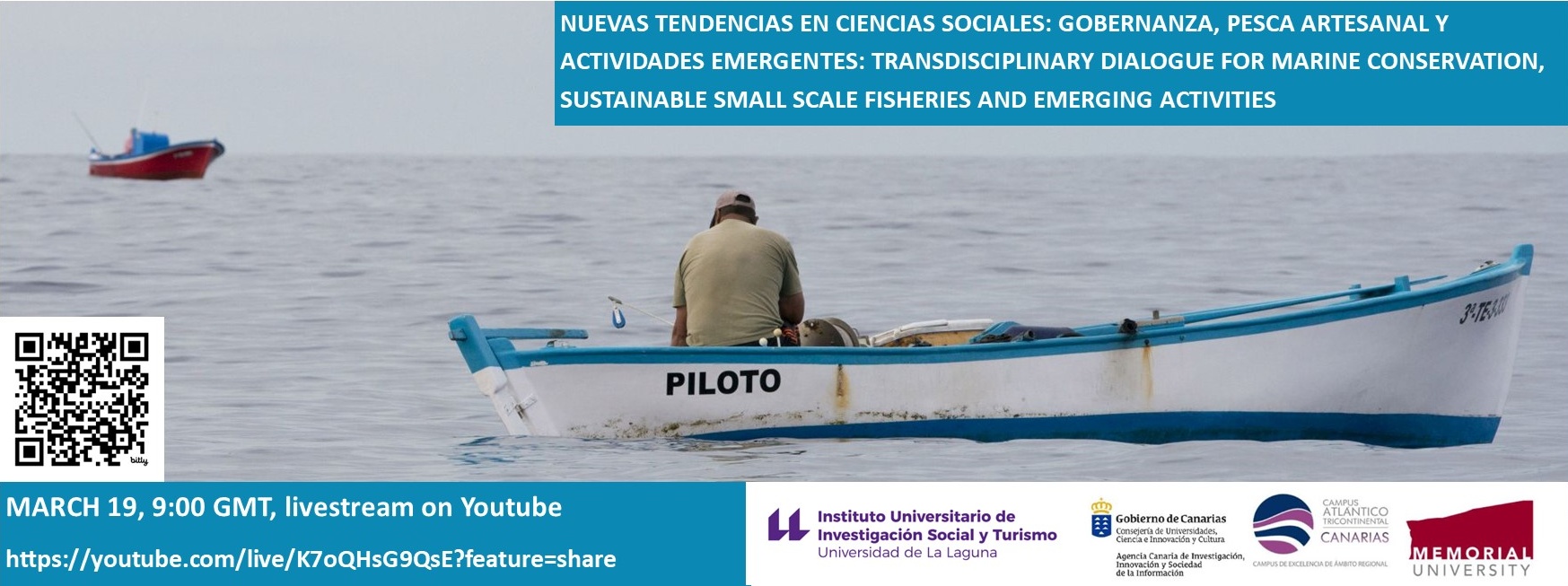
Webinar: Transdisciplinary dialogue for marine conservation, sustainable small-scale fisheries and emerging activities
The webinar is organized as an opportunity to reflect on experiences and lessons in the relationship and interaction between marine conservation and small-scale fisheries sustainability, as well as to discuss pathways to advance inclusive and just ocean governance.
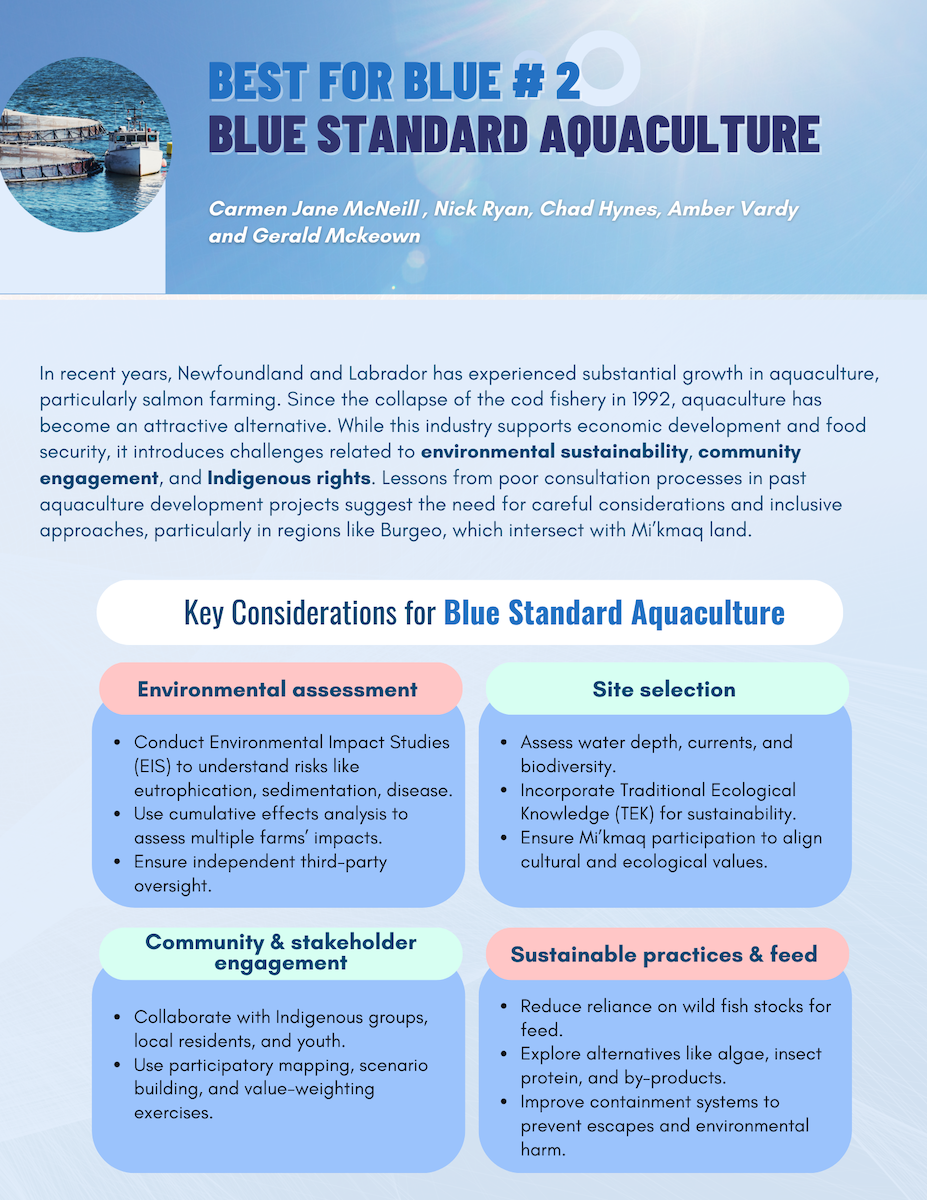
‘Best for Blue’ for Aquaculture
The Best for Blue’ research briefs series highlightis key considerations and principles for sustainable aquaculture in the Southwest coast of Newfoundland. These briefs are based on studies conducted by the researchers as well as the discussion at a workshop organized by the research team.
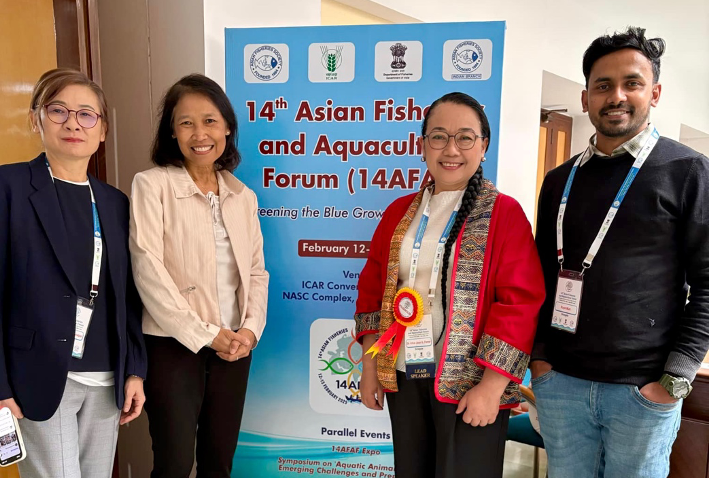
Meeting with TBTI Global Director and TBTI Hubs Coordinators in India
Attending the 14th Asian Fisheries and Aquaculture Conference (14AFAF 2025) was an enriching experience, but one of the most impactful moments was the opportunity to meet the Too Big To Ignore (TBTI) Global Director, Dr. Ratana Chuenpagdee and the Coordinators of the TBTI Philippines and TBTI Thailand.

Philippines’ small-scale fisheries research project conducts benchmarking activity in Japan
Highlights from a recent visit to Japan of the Philippines researchers as part of the project on ‘Assessing and Accelerating: Towards the Full Implementation of the FAO Small-Scale Fisheries Guidelines (SSF Guidelines) in the Philippines’.

Small-scale Fisheries in Latin America
The objective of the new TBTI Global project is to establish national networks, or hubs, of researchers and stakeholders in support of small-scale fisheries in five Latin American countries, including Brazil, Colombia, Ecuador, Mexico, and Peru.

Young Futures: 2025 World Day of Social Justice
“Young Futures” is a call from TBTI Global to youth around the world, inviting them to express their thoughts and ideas about the future of the ocean, the fisheries, the coast, the communities and the society that they are part of. These can be made in various formats, including short videos, essays, blog posts, poems, song, drawings and other artistic expression.

TBTI Canada: Young Futures
Young Futures” is a call to youth around the world, inviting them to express their thoughts and ideas about the future of the ocean, the fisheries, the coast, the communities and the society that they are part of. Check out the TBTI Nepal contribution for the ‘Young Futures’ call for 2025 World Day of Social Justice.

TBTI Peru: Young Futures
“Young Futures” is a call to youth around the world, inviting them to express their thoughts and ideas about the future of the ocean, the fisheries, the coast, the communities and the society that they are part of. Check out the TBTI Peru contributions for the ‘Young Futures’ call for 2025 World Day of Social Justice.
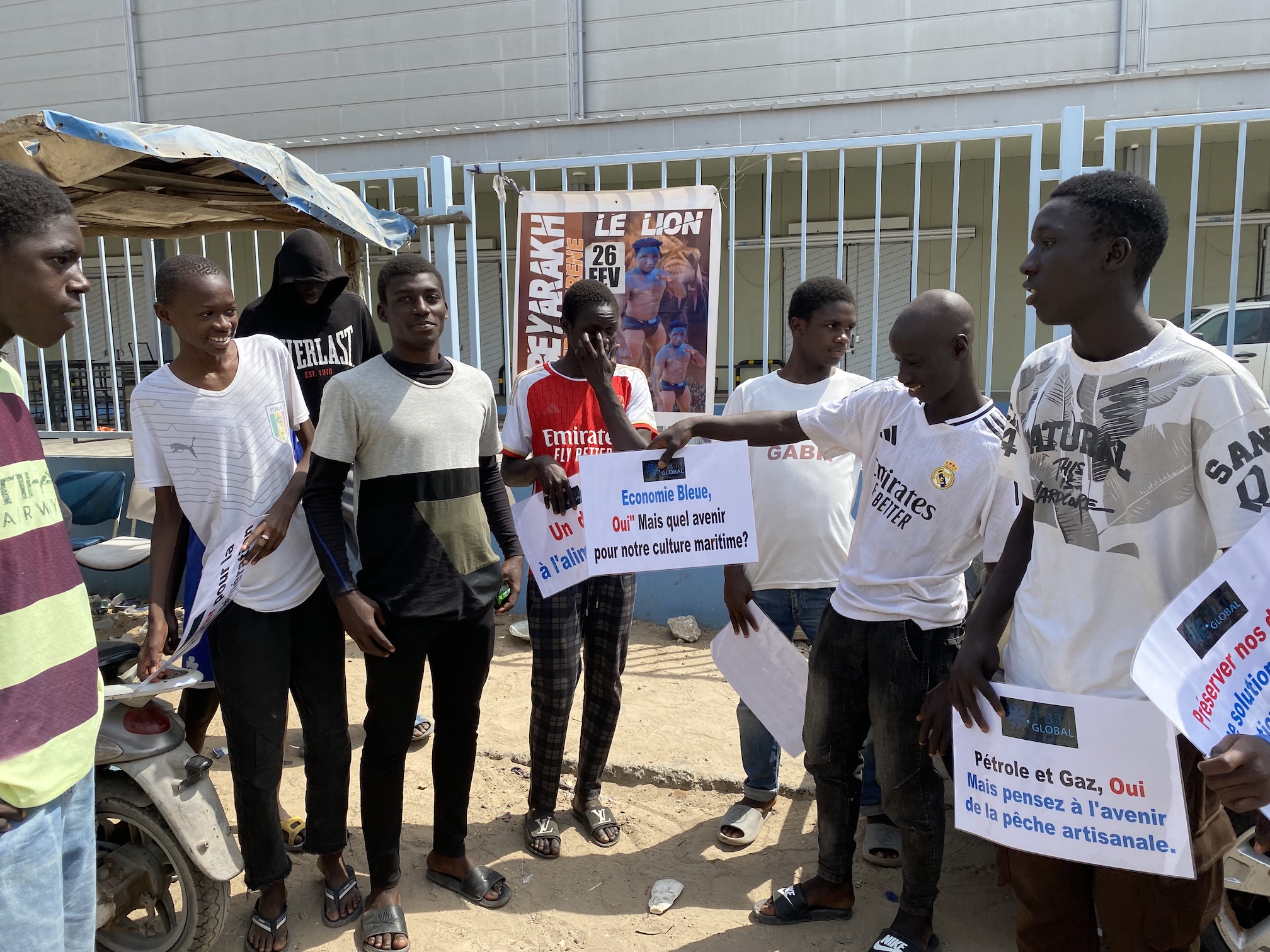
TBTI Senegal: Young Futures
“Young Futures” is a call to youth around the world, inviting them to express their thoughts and ideas about the future of the ocean, the fisheries, the coast, the communities and the society that they are part of. Check out the TBTI Senegal contributions for the ‘Young Futures’ call for 2025 World Day of Social Justice.

TBTI Malaysia: Young Futures
“Young Futures” is a call to youth around the world, inviting them to express their thoughts and ideas about the future of the ocean, the fisheries, the coast, the communities and the society that they are part of. Check out the TBTI Malaysia contributions for the ‘Young Futures’ call for 2025 World Day of Social Justice.

Social justice for small-scale fisheries in the Philippines
Given the reality now and the bleak future for small-scale fisheries under the regional trial court’s (RTC) ruling permitting commercial fishing in the municipal waters, justice demands that they receive more under the law. Laws and policies must recognize their disadvantaged position and must support to uplift them. This is about fairness.

TBTI Nepal: Young Futures
Young Futures” is a call to youth around the world, inviting them to express their thoughts and ideas about the future of the ocean, the fisheries, the coast, the communities and the society that they are part of. Check out the TBTI Nepal contribution for the ‘Young Futures’ call for 2025 World Day of Social Justice.