When we picture a fishing boat, what comes to mind? A massive steel trawler hauling in tons of fish? Or a smaller boat, maybe family-run, heading out before sunrise? That question came up recently when I joined a conversation on Newfoundland and Labrador’s CBC Radio’s show The Signal.
One of the takeaways from the show is that small-scale fisheries are highly impactful in terms of their contributions and importance to society, even though they rarely make the headlines. Small-scale fisheries account for 40-50% of the global catch. Even more striking, about 90% percent of people employed in fisheries worldwide work in this small-scale sector. That’s not a niche; that’s the backbone of a coastal life.

Small-scale fisherwoman at the edge of the Indian Sundarbans, 2024 © R. Miah
Researchers Evan Andrews and Ratana Chuenpagdee from Memorial University joined the show to talk about the World Small-Scale Fisheries (SSF) Congress, which took place from April 27 to May 1, 2026, in Thailand. The key messages from the Congress is that small-scale fisheries matter to coastal communities around the world, whether they are located in Canada, Thailand, Colombia, or Bangladesh. Small-scale fishery is a way of life passed down through generations. It feeds families and communities, supports local markets, and sustains the livelihoods of coastal communities. However, these small operators often get drowned out in the cacophony of other voices. Governments, big companies, and even scientists tend to talk about them, but not with them. We often end up with three groups, i.e., fishers, regulators, and corporate processors, all speaking different languages.
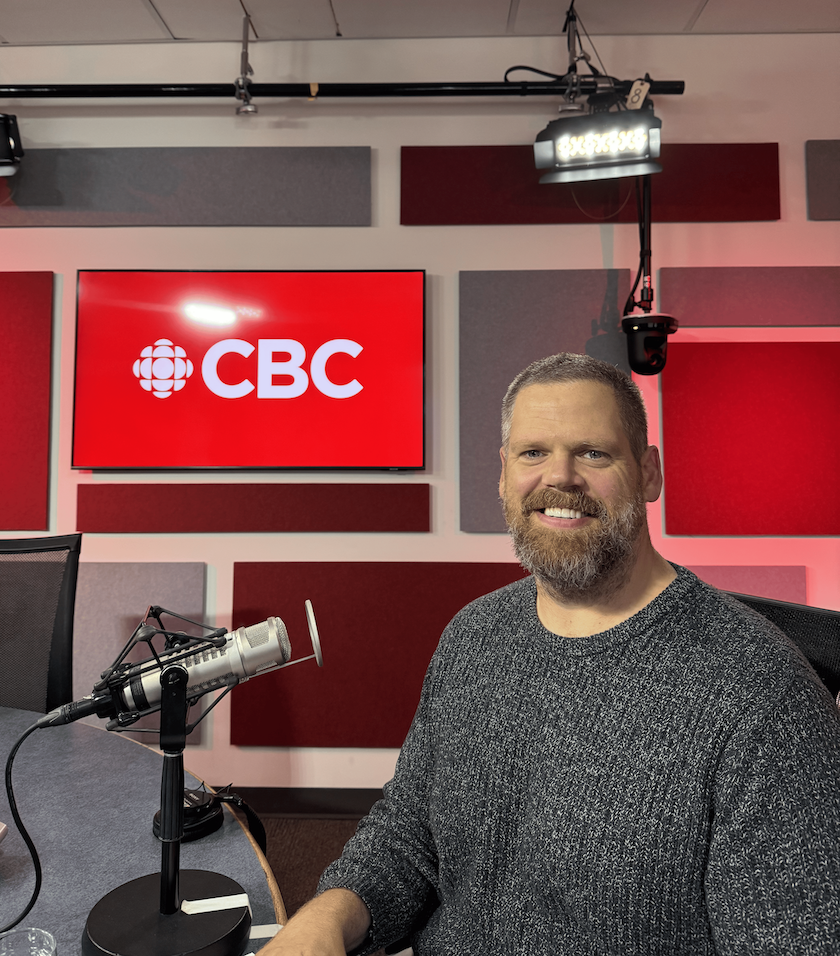
Evan Andrews
.
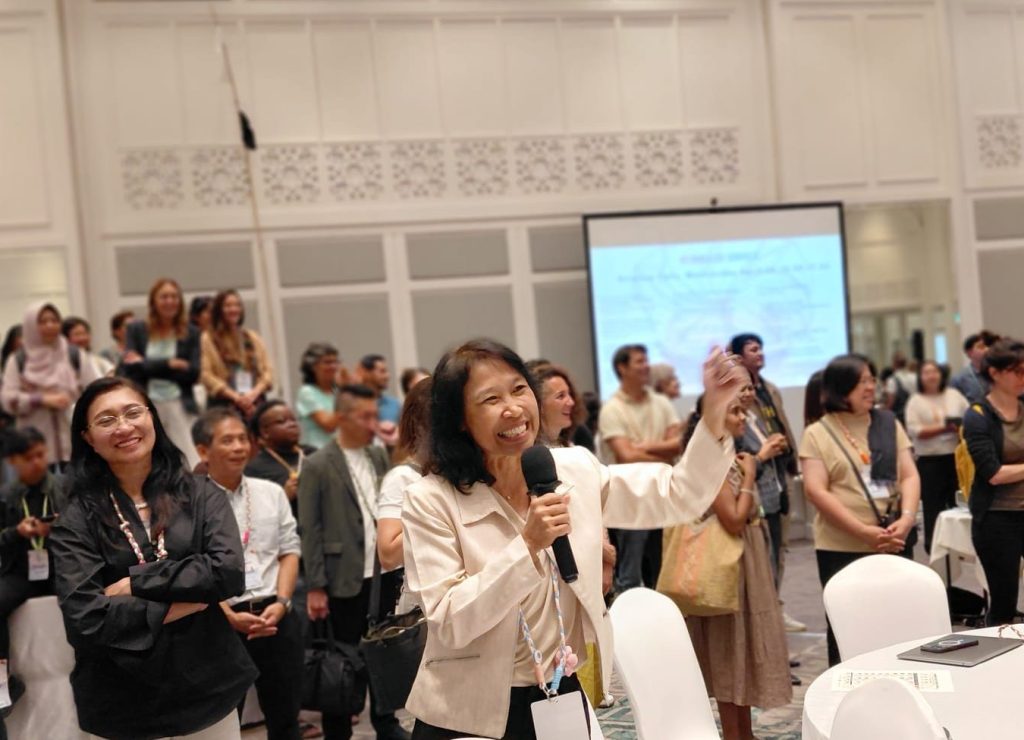
Ratana Chuenpagdee
I come from Bangladesh, where fish provides nearly 60% of animal protein for millions of people, mostly sourced from small-scale fisheries. And yet, these fisheries face many challenges. In my research along the Bangladesh-India border, small-scale fishers often cross invisible lines in the water. The fish don’t care about borders, but the authorities do. Fishers get arrested, fined, or imprisoned. An agreement signed in 2011 between the two countries promised to help, but almost nothing has progressed since.
After attending the World SSF Congress in Thailand, I believe even more than before that listening to the people, both adults and youth, is crucial for addressing the challenges that small-scale fisherfolk face. We need to bring local communities into the room where decisions are made as equal actors. Another powerful idea shared during the congress and elaborated during the radio discussion is called “Blue Justice.” The main idea of this concept is that when we talk about the ocean, whether it’s conservation, mega projects, or government policy, we can’t forget the small-scale fishers. Fishers’ rights should not be neglected and trampled upon in the pursuit of unbridled development of ocean and marine spaces.
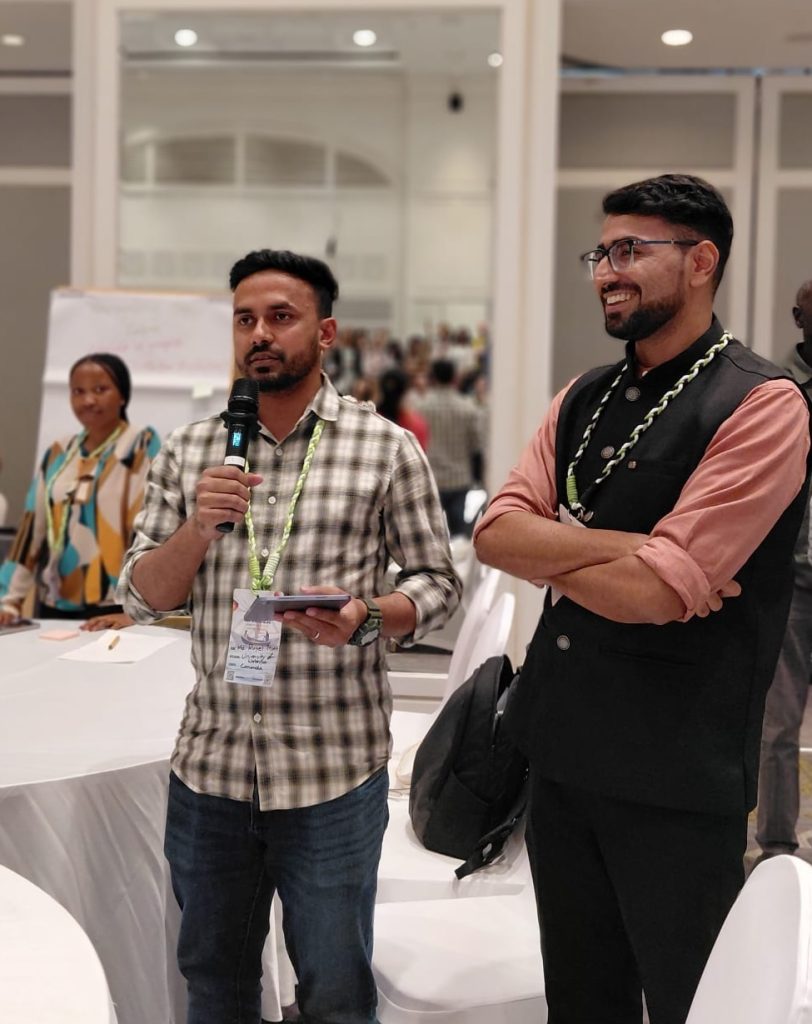
Md. Ruyel Miah (speaking, on the left)
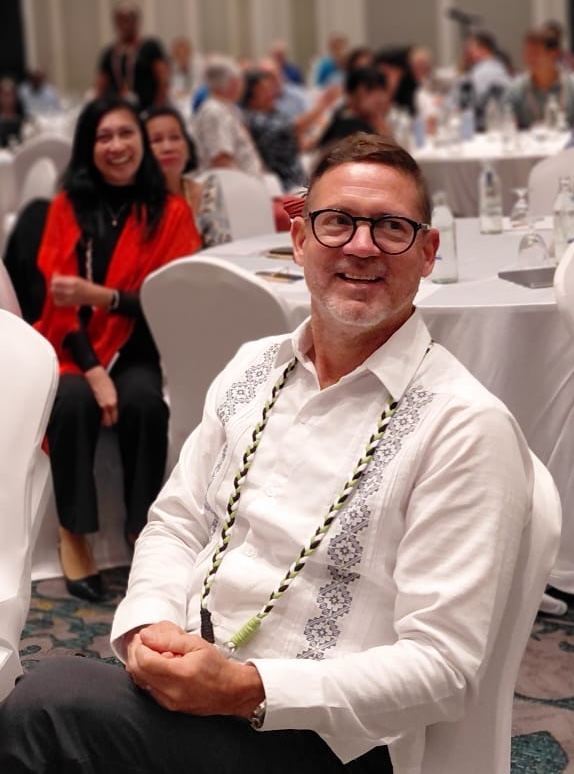
Miguel González
Miguel González, a professor at York University, described the struggle of the Indigenous fishing communities facing violence and displacement in Colombia. It reminded me that in some parts of the world, being a small-scale fisher and speaking up for this sector poses a serious threat.
But there is hope. During the show, I heard about a community in Newfoundland called Burgeo. A big marine protected area proposal fell through, causing frustration. But instead of giving up, the community is continuing to look forward, now asking a question: What’s next?
Together with Evan, Ratana, and Brennan Lowery at St. Thomas University, who also joined the show, and other researchers, they are holding discussions, doing surveys, conducting workshops, and dreaming up local solutions. In addition to sharing his thoughts about what’s happening in Burgeo, Brennan emphasized how opportunities in small/medium business enterprises and social innovation can be explored.
So my takeaway from the show is that small-scale fisheries are not a relic of the past; they are a living, breathing part of our shared future. The problems are real, including borders, climate change, and corporate pressure. The suggested solution pathways include facilitating better conversations and actually listening to the people who get their hands wet every day. That, paired with innovative solutions along the value chain, suited to the local needs.
Next time, when we enjoy a piece of fish, we can think about the boat it comes from. It might be smaller than we imagine. But its importance is anything but small.
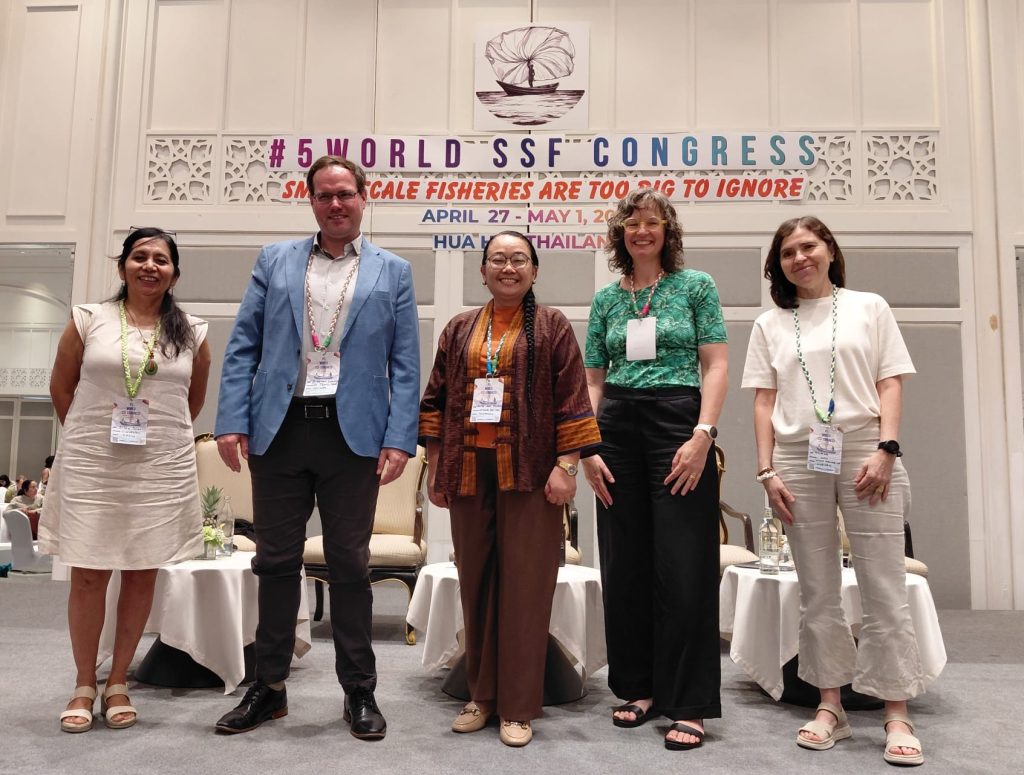
Brennan Lowery (second from the left)